




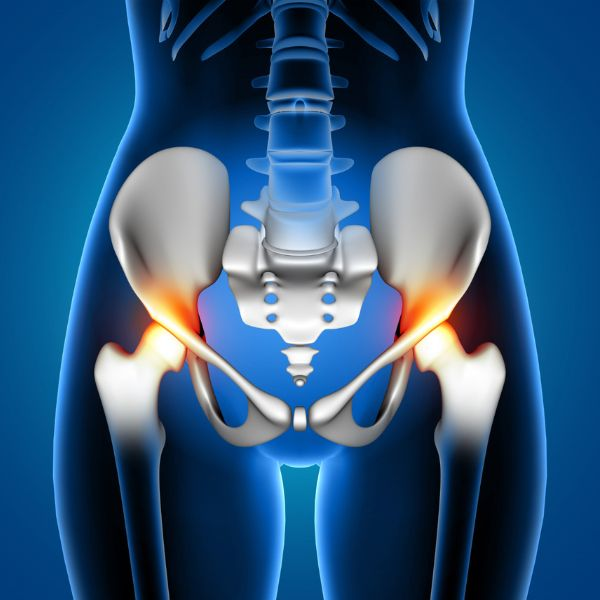
Joint replacement surgery, also known arthroplasty, is a surgical procedure that involves removing a damaged or diseased joint and replacing it with an artificial joint, called a prosthesis. This procedure is typically performed on large weight-bearing joints, such as the hip or knee, but it can also be performed on smaller joints, such as the shoulder, elbow or ankle.
During joint replacement surgery, the surgeon removes the damaged joint and replaces it with a prosthesis made of metal, plastic or ceramic materials. The prosthetic joint is designed to mimic the natural structure and function of the original joint, allowing patients to move more freely and without pain.
During joint replacement surgery, the surgeon removes the damaged joint and replaces it with a prosthesis made of metal, plastic or ceramic materials. The prosthetic joint is designed to mimic the natural structure and function of the original joint, allowing patients to move more freely and without pain.
Joint replacement surgery is a procedure that many people undergo to relieve chronic joint pain and improve joint mobility when other non-surgical treatments have proved unsuccessful. If you are dealing with persistent joint pain and a limited range of motion then joint replacement surgery may be worth considering to restore your overall quality of life and get you back to doing the things you enjoy, pain free.
There are many different joint surgeries available and depending on your symptoms and the joint affected, will determine best type of surgery for you. Your orthopedic surgeon will be able to discuss all the options with you. The most common types of joint replacement surgery include:
Total joint replacement (an arthroplasty) is a procedure which involves removing part or all of the damaged joint and replacing it with artificial implants. Joint replacement surgery can improve mobility and provide significant pain relief. It may be required for advanced arthritis or as a result of an injury. Knee, hip and shoulder replacements are common type of joint replacement surgery. Joint replacement surgery can often be done as a minimally invasive procedure, which uses smaller incisions, has shorter hospital stays, and has a shorter recovery time than traditional joint replacement procedures.